
High Blood Pressure: Symptoms, Causes and When to See a Doctor
High blood pressure, also known as hypertension, is a common health condition in which the force of blood against artery walls remains consistently elevated. If left unmanaged, it can increase the risk of heart disease, stroke, kidney damage and other complications.
High Blood Pressure: Symptoms, Causes and When to See a Doctor
High blood pressure, also known as hypertension, is a common health condition in which the force of blood against artery walls remains consistently elevated. If left unmanaged, it can increase the risk of heart disease, stroke, kidney damage and other complications.
Because high blood pressure often develops without noticeable symptoms, regular monitoring is important. Understanding its causes, risk factors and treatment options can help you take steps to protect your health.
What Is High Blood Pressure?
Blood pressure is measured using two numbers, expressed in millimetres of mercury (mmHg).
- Systolic pressure: The upper number, which measures pressure when the heart contracts.
- Diastolic pressure: The lower number, which measures pressure when the heart relaxes between beats.
A reading of 120/80 mmHg is commonly used as a reference point for healthy adult blood pressure. The interpretation of a reading depends on the guideline being used, your medical history and repeated measurements.
A single elevated reading does not necessarily mean you have hypertension. Diagnosis usually involves repeated measurements taken correctly, sometimes including home or ambulatory monitoring.
What Are the Symptoms of High Blood Pressure?
High blood pressure usually causes no obvious symptoms, even when readings are significantly elevated. Many people discover they have hypertension during a routine health checkup.
When blood pressure becomes dangerously high, symptoms may include severe headache, chest pain, breathlessness, confusion or changes in vision. These symptoms require urgent assessment and should not be ignored.
Other symptoms such as dizziness or headaches can have many causes and do not, by themselves, confirm high blood pressure. The only reliable way to identify hypertension is to measure your blood pressure.
What Causes High Blood Pressure?
In many adults, hypertension develops gradually without one identifiable cause. Several factors can increase the likelihood of developing it.
Common risk factors include:
- Excessive salt intake
- Being physically inactive
- Excess weight or obesity
- Smoking and tobacco use
- Excessive alcohol consumption
- Long-term stress and inadequate sleep
- Family history of hypertension
- Increasing age
- Diabetes and certain kidney conditions
Some cases of high blood pressure are associated with underlying medical conditions, such as kidney disease, hormonal disorders or sleep apnea. Certain medicines can also raise blood pressure.
How Is High Blood Pressure Diagnosed?
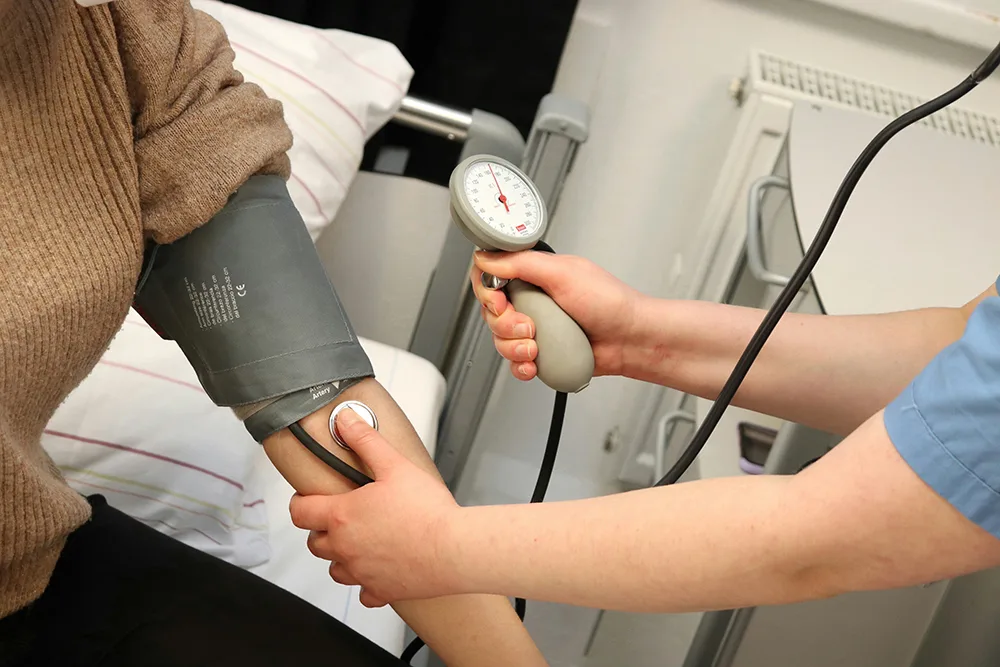
A healthcare professional measures blood pressure using a cuff placed around your upper arm.
If your reading is elevated, your doctor may recommend repeat measurements on different occasions or home monitoring to confirm the diagnosis.
Depending on your health and risk factors, additional tests may include blood tests, urine tests, kidney function assessment, cholesterol testing or an ECG.
These investigations can help identify possible contributing conditions and assess whether hypertension has affected other organs.
How Can High Blood Pressure Be Managed?
Treatment depends on your blood pressure readings, cardiovascular risk, age and other medical conditions.
1. Reduce Salt Intake
Excess sodium can contribute to elevated blood pressure. Limit high-salt packaged foods, salty snacks, pickles and heavily salted meals. A balanced diet rich in vegetables, fruits, whole grains and appropriate protein sources can support heart health.
2. Stay Physically Active
Regular physical activity can help lower blood pressure and improve cardiovascular health. Many adults can aim for at least 150 minutes of moderate-intensity aerobic activity each week, adjusted to their health and fitness level.
3. Maintain a Healthy Weight
If you have excess weight, gradual and sustainable weight management may help improve blood pressure.
4. Avoid Tobacco and Limit Alcohol
Smoking and tobacco use increase cardiovascular risk. Avoiding tobacco and limiting or avoiding alcohol can support better heart health.
5. Take Prescribed Medication
Doctors may prescribe medicines such as ACE inhibitors, angiotensin receptor blockers, calcium channel blockers or diuretics, depending on individual circumstances.
Do not start, stop or change blood pressure medication without medical advice, even if your readings improve.
When Should You See a Doctor?
Arrange a medical appointment if your blood pressure readings are repeatedly elevated, you have diabetes or kidney disease, or you have a family history of hypertension and other cardiovascular risk factors.
Seek emergency medical care if your blood pressure is above 180/120 mmHg and you experience chest pain, shortness of breath, weakness, numbness, vision changes or difficulty speaking.
If a reading is above 180/120 mmHg without these symptoms, wait at least one minute and measure it again. If it remains that high, contact a healthcare professional immediately for urgent guidance. Do not delay emergency care if concerning symptoms develop.
Which Doctor Treats High Blood Pressure?
A general physician or primary care doctor can usually diagnose and manage high blood pressure. A cardiologist may be recommended if you have cardiovascular complications or require specialist assessment.
A nephrologist may be involved when hypertension is associated with kidney disease. The appropriate specialist depends on your medical history and individual needs.
How Medoc.in Can Help
Managing hypertension begins with understanding your health and finding appropriate medical support. Medoc.in helps you discover doctors, hospitals, clinics and diagnostic centres across India, with available provider registration details to support informed healthcare decisions.
You can explore healthcare providers and find options for discussing your blood pressure readings, risk factors and treatment needs with a qualified professional.
Frequently Asked Questions
Can high blood pressure occur without symptoms?
Yes. Most people with hypertension do not experience noticeable symptoms. Regular blood pressure measurements are important for detecting it early.
Is a blood pressure reading of 140/90 mmHg high?
A reading of 140/90 mmHg is elevated and meets the hypertension threshold under commonly used clinical guidelines. Diagnosis generally requires confirmation through repeated, properly taken measurements.
Can high blood pressure be controlled without medication?
Lifestyle changes can improve blood pressure, but some people also need medication. Treatment decisions should be based on your readings, overall risk and medical history.
How often should I check my blood pressure?
The frequency depends on your readings, risk factors and treatment plan. Your doctor can recommend how often to monitor it at home or at a healthcare facility.
Conclusion
High blood pressure can affect your health even when you feel well. Regular monitoring, healthy lifestyle habits and appropriate medical treatment can help reduce the risk of serious complications.
If your readings are repeatedly elevated, consult a healthcare professional rather than waiting for symptoms to appear.
Medoc.in — Find the Right Doctor. Get the Right Care.
Disclaimer: This article is for general educational purposes and does not replace professional medical advice, diagnosis or treatment.