
Diabetes Symptoms: Early Warning Signs You Should Know
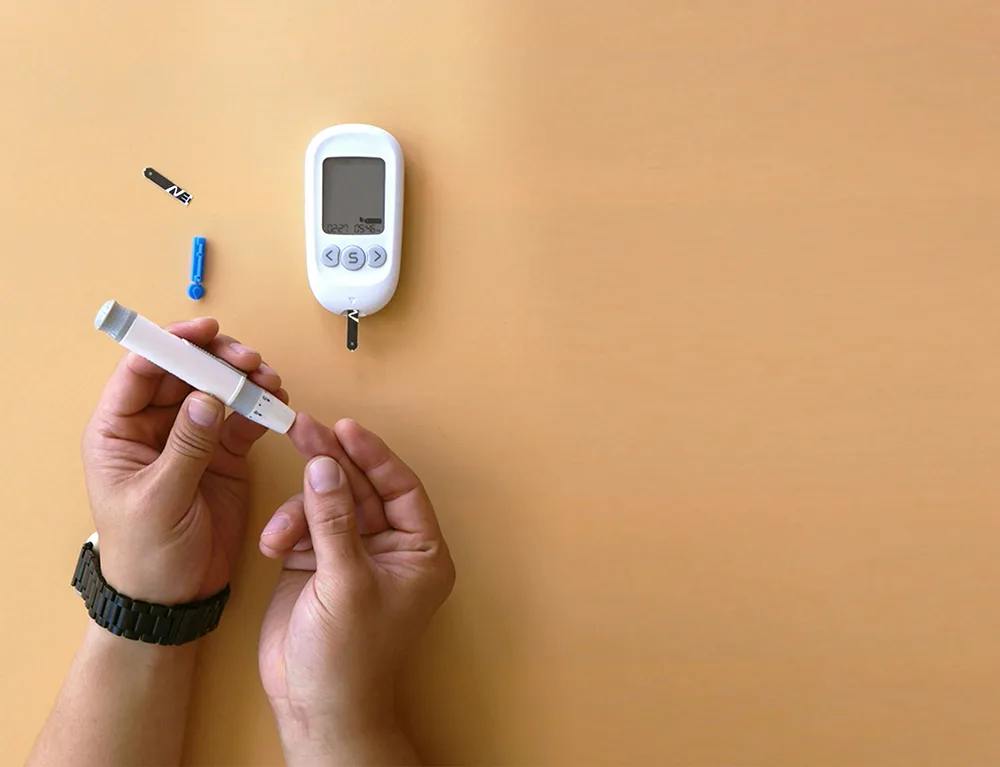
Diabetes is a long-term health condition that affects how the body regulates blood glucose (blood sugar). It develops when the body does not produce enough insulin or cannot use insulin effectively. Recognising the early warning signs can help people seek medical advice, get tested and begin appropriate treatment.
Diabetes is a long-term health condition that affects how the body regulates blood glucose (blood sugar). It develops when the body does not produce enough insulin or cannot use insulin effectively. Recognising the early warning signs can help people seek medical advice, get tested and begin appropriate treatment.
Diabetes may develop gradually, and some people experience few or no noticeable symptoms. Knowing what to look for is especially important if you have risk factors such as a family history of diabetes, excess body weight or a sedentary lifestyle.
Common Symptoms of Diabetes
1. Frequent Urination
Needing to urinate more often than usual, particularly during the night, can be a sign of elevated blood sugar. When glucose levels are high, the kidneys may remove excess glucose through urine, increasing urine production.
2. Increased Thirst
Frequent urination can cause the body to lose more fluid than usual, leading to persistent thirst. If you find yourself drinking much more water than normal without an obvious reason, consider discussing it with a healthcare professional.
3. Increased Hunger
Some people with diabetes experience increased hunger even after eating. This can happen because the body is not using glucose effectively to meet its energy needs.
4. Unexplained Weight Loss
Losing weight without changing your diet or physical activity may be a warning sign, particularly when accompanied by increased thirst and frequent urination. It can occur when the body cannot use glucose properly and begins breaking down fat and muscle for energy.
5. Persistent Tiredness
Feeling unusually tired or lacking energy may be associated with high blood sugar. However, fatigue has many possible causes, so it should not automatically be attributed to diabetes.
6. Blurred Vision
High blood sugar can affect fluid levels in the eye and temporarily change vision. Persistent or sudden changes in eyesight should be evaluated by a healthcare professional.
7. Slow-Healing Cuts and Wounds
Cuts, sores and other wounds that take longer than expected to heal may be associated with diabetes. High blood sugar can affect circulation and the body's ability to heal.
8. Frequent Infections
Some people with diabetes experience recurring skin infections, urinary tract infections or genital fungal infections. Frequent infections do not necessarily mean you have diabetes, but they may warrant further assessment.
9. Tingling or Numbness in the Hands and Feet
Persistent tingling, burning or numbness—particularly in the feet—can occur when diabetes damages nerves. These symptoms are more commonly associated with diabetes that has been present for some time, but they should not be ignored.
Are the Symptoms Different in Type 1 and Type 2 Diabetes?
Type 1 diabetes can develop quickly, with symptoms appearing over days or weeks. It may cause marked thirst, frequent urination, weight loss and weakness. It can occur at any age and requires prompt medical assessment.
Type 2 diabetes often develops gradually over months or years. Some people have no obvious symptoms and discover the condition during a routine health check or blood test.
Gestational diabetes, which develops during pregnancy, often causes no noticeable symptoms. Screening during pregnancy is therefore important, as advised by the treating healthcare professional.
Who Should Consider Getting Tested?
Consider discussing diabetes testing with a healthcare professional if you:
- Notice increased thirst, frequent urination or unexplained weight loss.
- Have a parent or sibling with diabetes.
- Have excess body weight or limited physical activity.
- Have previously been diagnosed with prediabetes.
- Have high blood pressure or abnormal cholesterol levels.
- Have a history of gestational diabetes or have been advised to undergo screening.
The appropriate timing of screening depends on your age, medical history, risk factors and local clinical guidance.
Which Tests Can Detect Diabetes?
A healthcare professional may recommend one or more blood tests:
- Fasting plasma glucose: Measures blood glucose after fasting, usually for at least eight hours.
- HbA1c test: Estimates average blood glucose over approximately the previous two to three months.
- Oral glucose tolerance test (OGTT): Measures how the body responds to a glucose drink over a specified period.
- Random blood glucose: Measures glucose at the time of testing and may help assess someone with typical symptoms.
For non-pregnant adults, commonly used diagnostic thresholds include:
TestDiabetes-range resultFasting plasma glucose126 mg/dL or higherHbA1c6.5% or higherTwo-hour glucose during an OGTT200 mg/dL or higherRandom plasma glucose200 mg/dL or higher when accompanied by typical symptoms
Unless there is clear evidence of diabetes, such as characteristic symptoms with unequivocally elevated blood glucose, an abnormal result generally needs confirmation. Interpretation can also be affected by pregnancy, certain medical conditions and factors that influence HbA1c.
When Should You Seek Medical Help?
Arrange a medical appointment if you experience persistent thirst, frequent urination, unexplained weight loss, blurred vision or other possible diabetes symptoms. Do not wait for symptoms to become severe before seeking advice.
Seek emergency medical care immediately if symptoms include vomiting, abdominal pain, deep or rapid breathing, fruity-smelling breath, severe dehydration, confusion or unusual drowsiness. These can be signs of diabetic ketoacidosis, a potentially life-threatening complication that can sometimes be the first sign of diabetes.
How Can You Reduce Your Risk of Type 2 Diabetes?
Although not every case can be prevented, certain lifestyle changes can help reduce the risk of type 2 diabetes:
- Eat balanced meals with vegetables, whole grains, pulses and appropriate portions.
- Limit sugary drinks and reduce frequent consumption of highly processed foods.
- Aim for regular physical activity suited to your health and abilities.
- Maintain a healthy weight, where appropriate.
- Get adequate sleep and avoid tobacco.
- Attend recommended health screenings, especially if you have risk factors.
If you already have diabetes, follow your healthcare professional's advice on monitoring blood glucose, taking prescribed medication, nutrition and follow-up appointments.
Frequently Asked Questions
Can you have diabetes without symptoms?
Yes. Type 2 diabetes may remain unnoticed for years. Screening and blood tests can help detect it even when a person feels well.
Is frequent urination always a sign of diabetes?
No. It can also result from urinary tract infections, certain medicines, increased fluid intake and other conditions. A medical assessment can help identify the cause.
Can diabetes be detected with a home glucose meter?
A home glucose meter can help monitor blood sugar, but it should not be relied on alone to establish a diagnosis. Appropriate laboratory testing and clinical assessment are important.
Which doctor should I consult for possible diabetes?
A general physician or primary care doctor can assess your symptoms and arrange initial testing. Depending on your needs, you may be referred to an endocrinologist or diabetologist.
Find Healthcare Support with Medoc.in
Recognising possible diabetes symptoms is an important first step toward protecting your health. If you have concerns, consult a qualified healthcare professional for appropriate evaluation and testing.
Visit Medoc.in to explore doctors, hospitals, clinics and diagnostic centres across India and make a more informed decision about your healthcare.
Disclaimer: This article is for general educational purposes only and is not a substitute for professional medical advice, diagnosis or treatment. Test results should be interpreted by a qualified healthcare professional in the context of your symptoms and medical history.